Andy Burnham’s arrival in Downing Street signals more than a change of leadership. It is Britain’s political reset.
Andy Burnham’s arrival in Downing Street signals more than a change of leadership. It represents an attempt to redraw the relationship between the British state, local government and the economy after decades of Westminster-centred politics.
The new Prime Minister of the United Kingdom has wasted little time making an impact. Within days of taking office, Labour regained momentum in opinion polls, while Nigel Farage’s Reform UK slipped from its previously commanding position. Whether this proves temporary or lasting remains to be seen, but Burnham has undoubtedly changed the political conversation.
Burnham’s rise has been unconventional. Rather than building his reputation solely in Westminster, he established his political identity as Mayor of Greater Manchester. There, he transformed the region’s transport system through the publicly controlled Bee Network, bringing buses back under local authority control after decades of deregulation. The project became the clearest example of his belief that essential public services should serve communities rather than markets.
That philosophy now underpins his national agenda.
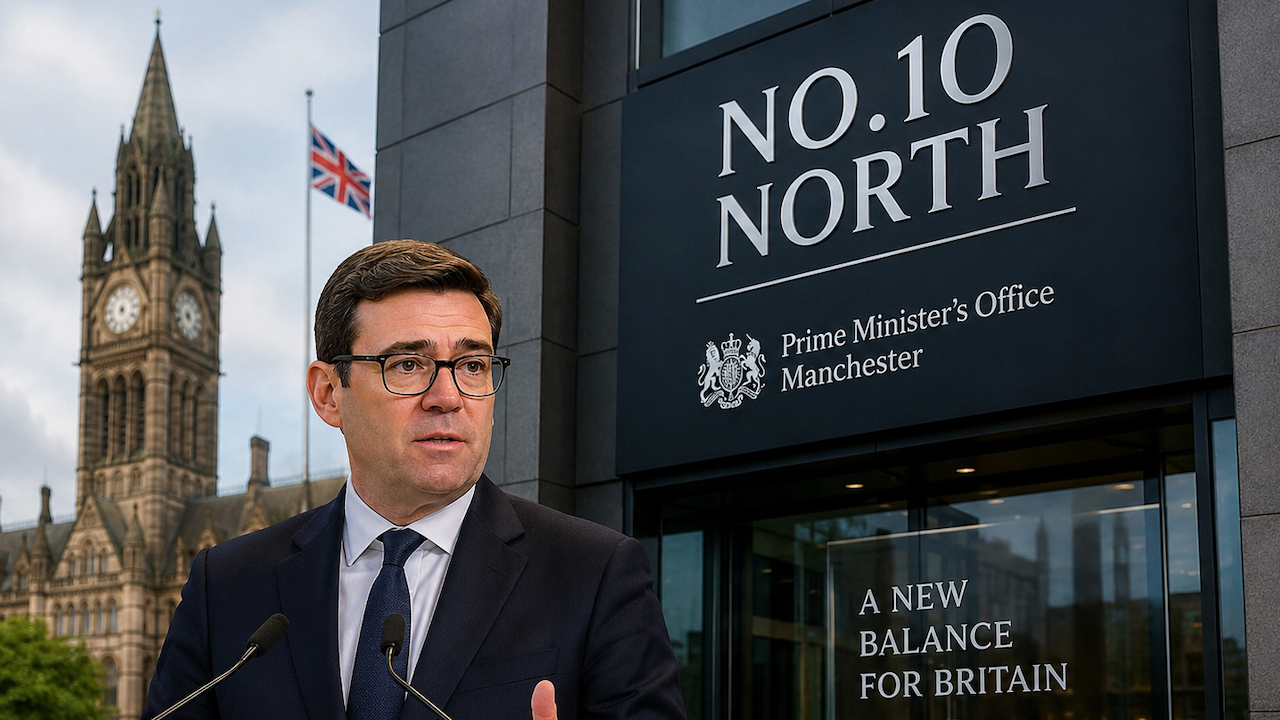
Burnham argues that Britain’s economic model has become too centralised, with political and financial power concentrated in London. His answer is a far-reaching programme of devolution, transferring greater authority to England’s regions and cities. The creation of a second Prime Minister’s Office in Manchester—known as "No. 10 North"—is intended as both a practical and symbolic step towards a more balanced United Kingdom.
Economically, Burnham occupies an unusual position. He has pledged to maintain fiscal discipline while pursuing a far more interventionist approach to public services and regional development. Rather than embracing large-scale public spending, he advocates strategic state involvement in sectors such as transport, housing and infrastructure, arguing that government should shape markets where they fail to deliver for communities.
Political commentators increasingly describe this approach as a form of "municipal socialism". Unlike the traditional socialist model centred on national ownership, Burnham's vision places greater emphasis on locally accountable public institutions. The objective is not to replace the market, but to ensure that essential services remain under democratic control and respond to local needs.
His approach also reflects a broader European debate. Across the continent, governments are questioning the legacy of decades of privatisation while remaining constrained by tight public finances. Burnham’s attempt to combine fiscal responsibility with active government intervention mirrors a growing search for a new political and economic settlement.
Whether this model succeeds nationally remains uncertain. Rebalancing power away from Westminster is an ambitious project that will face institutional, financial and political obstacles.
But one conclusion is already difficult to ignore: after four decades in which the legacy of Margaret Thatcher shaped British economic policy, the debate has shifted. Under Andy Burnham, Britain is once again asking what role the state should play—not in controlling the economy, but in ensuring that public services work for the people they are meant to serve.

Henry Blackwell Writes for England Times
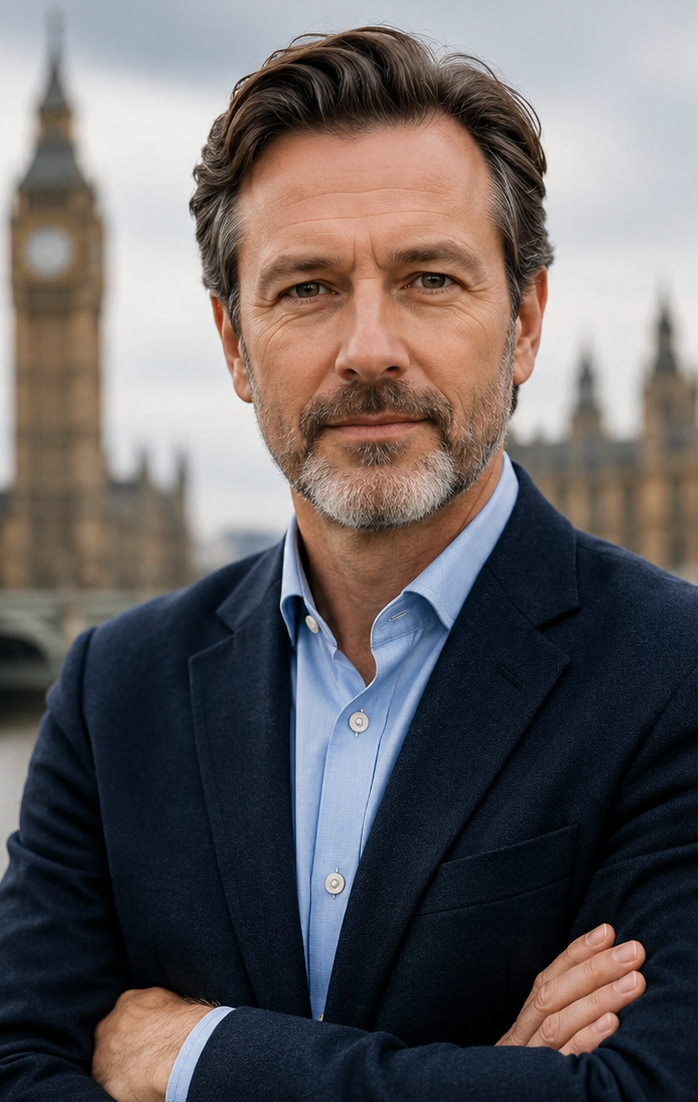
Henry Blackwell is a London-based British journalist, author, and political commentator with more than 25 years of experience in journalism.
He specialises in UK politics, international affairs, business, and public policy. Known for his balanced reporting and insightful analysis, Blackwell has written extensively on the issues shaping Britain and its role on the global stage. His work combines rigorous research with clear, engaging storytelling, earning him a reputation as a trusted voice in British journalism.